Are Solar Shingles Worth It? Pros and Cons From a Residential Roofing Company
Modern property owners seek sustainable energy solutions for residential structures. The shift toward green power brings innovative exterior technologies into focus. Among these advancements, building-integrated photovoltaics present a sleek alternative to rack-mounted systems. Integrating power generation into the architecture creates a seamless exterior appearance. Homeowners desire building materials that protect the structure while harnessing the sun. This demand drives the evolution of exterior building products. Consumers consult a residential roofing company to explore these materials. Buyers must weigh the advantages against the drawbacks.
Reviewing the Visual Appeal
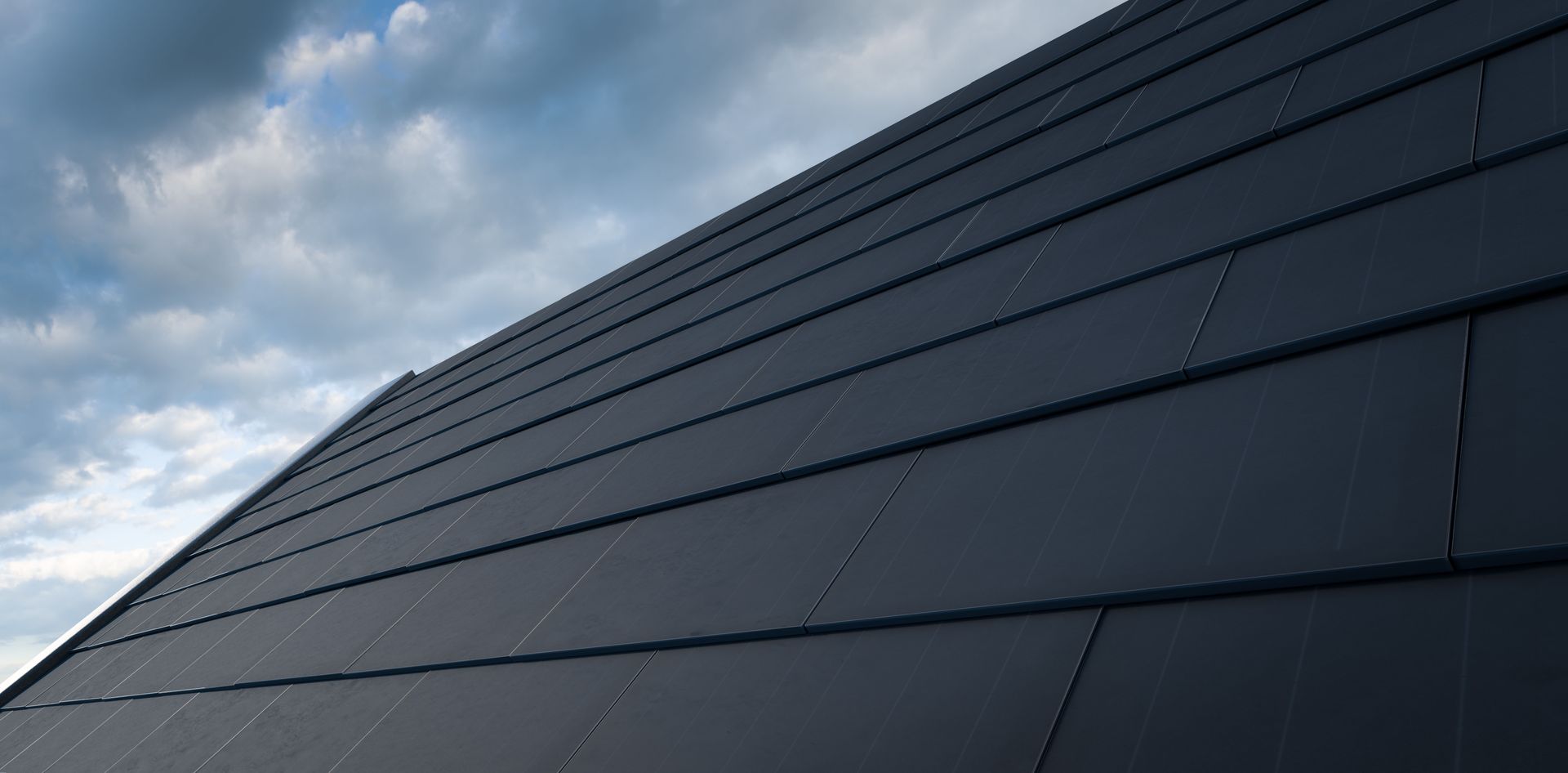
The primary aesthetic benefit of this power option involves a streamlined profile. Standard panels mount above the roofline on heavy metal racks, creating a bulky exterior silhouette. Building-integrated photovoltaics rest flush against the underlying deck. This low-profile design mimics the look of standard architectural materials. Property owners appreciate how the flush installation maintains the original character of the house. The sleek appearance preserves overall curb appeal.
Neighborhoods with strict homeowners associations reject bulky exterior equipment. These governing organizations maintain rigid architectural guidelines to preserve community aesthetics and protect property values. Solar shingles provide an ideal workaround for such structural restrictions. Because the materials blend into the existing home design, community boards approve the installations without hesitation. A knowledgeable residential roofing company assists property owners in navigating these neighborhood guidelines by providing physical exterior material samples.
Manufacturers produce these photovoltaic components in various styles to suit distinct architectural themes. Buyers select designs that resemble textured slate, flat asphalt, or rustic terracotta tiles. The dark hues match contemporary exterior color palettes. This expansive variety ensures that integrating renewable energy does not require sacrificing visual preferences. The cohesive look elevates the entire property facade while producing clean power. Aesthetics remain a major selling point for modern consumers.
Despite these aesthetic benefits, a few visual limitations remain. Historic homes with intricate exterior details present distinct integration challenges. The modern sheen of photovoltaic glass clashes with rustic or aged structural elements. The color options remain constrained compared to the vast spectrum available for traditional materials. Buyers must accept these minor visual compromises when opting for this specific green energy solution on older structures. Visual harmony requires deliberate material selection.
Examining the Power Output
Renewable energy systems must generate sufficient electricity to justify the substantial financial expenditure. Although pleasing, building-integrated photovoltaics struggle to match the energy conversion rates of standard systems. Traditional panels boast higher efficiency ratings due to optimal angling toward the sun. Solar shingles lay flush and conform to the existing slope of the house. This fixed position prevents maximum solar absorption. The lack of an adjustable angle reduces overall power production.
Heat buildup presents another significant obstacle to consistent power generation. Standard panels feature an air gap underneath, which promotes natural cooling via wind currents. Integrated materials lack this crucial ventilation space, causing the hardware to absorb and retain heat. Elevated operating temperatures degrade photovoltaic cell efficiency over time. The system produces less electricity during peak summer months, which impacts overall energy independence. Thermal management remains an ongoing engineering challenge.
Despite these efficiency challenges, the renewable energy sector continues to expand. Manufacturers invest in research to improve heat resistance and energy conversion rates. According to Future Market Insights, the global solar shingles market reached $503.4 million in 2025 and is projected to reach $876.4 million by 2035. This projected growth indicates rising consumer interest. A dedicated exterior contractor might offer updated product lines as technology improves.
Property owners offset lower efficiency by expanding the active surface area on the structure. Because the materials serve as the roof itself, installers cover a larger portion of the home to harvest more sunlight. Pairing the extensive array with high-capacity wall batteries maximizes usable power. The system captures excess energy for use during nighttime or overcast periods. This storage strategy allows homes to maintain power during grid outages. Maximizing roof space improves total energy yields.
Understanding the Installation Process
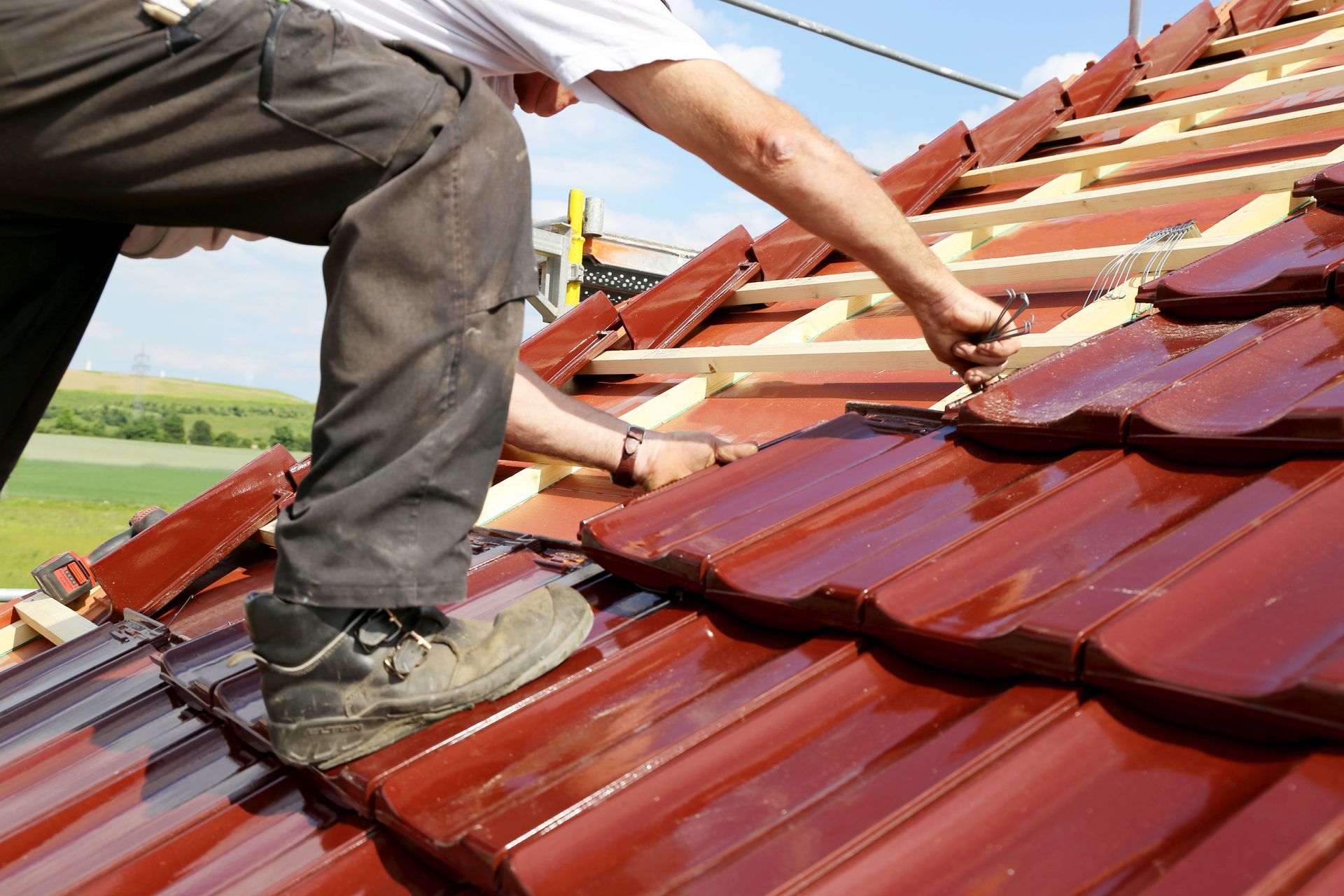
Adding standard exterior panels involves a retrofit over an existing structure. By comparison, building-integrated photovoltaics necessitate a complete tear-off of the current exterior materials. Homeowners must schedule a full removal before the new system goes up. This strict requirement makes the technology ideal for new construction projects. It also suits older properties requiring structural weatherproofing upgrades. Combining a roof replacement with power generation streamlines the home renovation process.
The labor involved demands a unique combination of technical skills. Workers must possess expertise in standard weatherproofing techniques and complex electrical wiring. Every individual tile requires a secure electrical connection to the broader array. Improper installation leads to water intrusion and catastrophic power failures. Contractors must ensure watertight seals around numerous separate connection points to protect the underlying structure from moisture damage.
Due to this complexity, the installation timeline extends beyond typical home improvement projects. A standard panel addition takes minimal time to complete on an average house. Applying a photovoltaic roof requires weeks of continuous labor. Weather delays, complex wiring diagnostics, and stringent municipal inspections prolong the process. Property owners must prepare for an extended construction period with associated noise and scattered debris. Patience is required during the exterior transformation.
Finding qualified labor poses an additional hurdle in certain geographic regions. The specialized nature of the product limits the pool of capable contractors available for hire. Homeowners must research and select a residential roofing company with specific training in building-integrated photovoltaics. Securing the right team ensures the system functions without interruption. The reliance on niche expertise limits widespread adoption in rural or underserved markets. Availability varies by region.
Assessing the Financial Investment
The initial cost stands as the most prominent barrier to adoption. Purchasing these innovative materials requires a substantial capital outlay from the homeowner. The price encompasses both a premium exterior material and a complete power plant. Buyers pay for advanced engineering, heavy-duty tempered glass, and specialized labor. A reputable residential roofing company will provide detailed estimates, highlighting the premium nature of this comprehensive upgrade. Budgeting for this project requires ample financial resources.
Return on investment calculations differ from standard alternative energy projects. Because the efficiency remains lower, the utility savings accumulate at a slower pace. The financial payback period stretches across a longer timeframe. Buyers must factor in the avoided cost of a traditional roof replacement. Subtracting the price of a standard asphalt installation from the total project cost provides a more accurate financial perspective. Long-term planning is essential for assessing value.
Various financial incentives improve the overall economic outlook for buyers. Federal tax programs reduce the upfront burden for eligible property owners building green homes. State and local municipalities provide additional rebates for renewable energy adoption. Property owners must navigate complex tax codes and submit detailed documentation to secure these benefits. Consulting a tax professional helps buyers understand the specific financial advantages available in their geographical location. Government programs encourage sustainable building practices.
Beyond utility savings, the system increases the intrinsic value of the property. Prospective buyers appreciate the modern aesthetic and the promise of lower utility bills each month. The sleek design appeals to eco-conscious individuals searching for sustainable homes. Real estate markets reward premium green upgrades with higher appraisal values. This market appreciation offsets the initial expenditure when the time comes to list and sell the house. Eco-friendly features attract modern homebuyers.
Building-integrated photovoltaics offer a fascinating blend of architectural beauty and renewable energy. They eliminate the visual clutter associated with standard panels while protecting the home from environmental damage. The lower energy efficiency and complex installation process require evaluation before making a purchase. The upfront cost remains a decisive factor for most buyers. Property owners must evaluate their priorities regarding aesthetics and budget constraints. Discussing the project with a residential roofing company clarifies the logistics. When you are ready to explore solar shingles for your home, reach out to our team at Twin Hammers Roofing & Contracting. As a dedicated residential roofing company, we stand ready to guide you through the entire installation process.

Share On: