Common Pitched Roof Problems and How to Address Them
Pitched roofs are a common architectural choice for homes, offering advantages such as increased attic space and improved water drainage. However, like any other roofing style, pitched roofs come with their own set of potential problems. As a homeowner, understanding these issues can help you take preventative steps to maintain the integrity and longevity of your roof. This article breaks down the common pitched roof problems you might encounter and provides insights into how to best address them. By examining each category of potential issues, you can equip yourself with the knowledge needed to deal with roofing complications effectively.
Leaking Roofs
As experienced local roofing contractors, we've found that poor installation procedures are among the leading causes of leaking roofs. When a roofing system is not properly installed, it can lead to gaps and insufficient seals, allowing water to penetrate. Skilled craftsmanship is crucial; otherwise, homeowners may face recurring issues that require costly repairs. Inspecting the installation process is vital, and hiring professionals ensures adherence to the best practices in the roofing industry. By properly vetting your contractor, you can reduce the likelihood of leaks due to installation issues.
Flashing serves as a barrier to channel water away from critical areas like chimneys and vent pipes. Inadequate or improperly installed flashing can cause water to seep into the structure, leading to leaks. Regular inspections of flashing can help identify potential weak spots before significant damage occurs. Upgrading to more durable materials for your flashing can also offer more robust protection. Ensuring that flashing is done correctly will prevent costly water damage in the long run.
Clogged gutters and downspouts are often overlooked sources of roofing problems. When these components are blocked, water cannot drain properly and may pool on the roof or spill over surfaces, causing erosion and leaks. Regular cleaning of gutters and downspouts is essential, particularly during seasons of heavy foliage shedding. Installing gutter guards can be a preventative measure to minimize clogs. Keeping your drainage system clear supports the overall health of your pitched roof.
Moss and algae growth can be particularly harmful to pitched roofs. They thrive in damp, shaded conditions and can degrade roofing materials over time. These growths not only mar the appearance of your home but can contribute to water retention on the roof, leading to leaks. Chemical treatments and regular cleaning can deter moss and algae from becoming established. Proper maintenance from a professional local roofing contractor can help avoid potential damage and prolong its life.
Structural Damage
Improper roof design is a root cause of structural problems in pitched roofs. If a roof is not designed to handle the particular climate or architectural style of a home, the resulting pressure points can lead to significant issues. Consulting with a professional during the design phase is crucial. Taking into account factors like load-bearing capacity and roof slope will prevent future structural challenges. Investing in good roof design initially can save substantial repair costs later.
Ventilation is fundamental to a healthy roof structure. Without adequate ventilation, heat and moisture can build up in the attic, causing warping of the underlying structures. Potential issues such as mold growth and material degradation also become imminent without proper airflow. Including adequate ventilation in your roofing design promotes temperature regulation and moisture management. Sustaining a balanced ventilation system can help avoid these common structural pitfalls.
Pitched roofs are designed to handle snow load and debris, but excessive weight can lead to structural failures. Prolonged heavy snowfall or accumulated debris can stress the structure beyond its capacity, causing sagging or collapse. Routine removal of snow and debris is an essential maintenance task, ensuring the roof remains within safe weight limits. Investing in structural reinforcements may be necessary in regions prone to heavy snowfall. Keeping the roof clear will prevent potential structural damage.
The roof decking provides foundational support for the entire roofing system. Over time, moisture infiltration can cause this layer to decay, compromising its structural integrity. To prevent this, it is essential to maintain a weather-tight surface above it. Moisture barriers and routine inspections help identify and mitigate decay before it necessitates a full roof replacement. Ensuring the decking remains in good condition supports the longevity and safety of the roof as a whole.
Weather-Induced Problems
Strong winds can pose significant risks to pitched roofs, especially when loose shingles or damaged materials are involved. High winds can lift and dislodge shingles, leading to exposed underlayers and potential water ingress. Secure and high-quality roofing materials are essential to enhancing wind resistance. Regular examinations for loose shingles after storms will help maintain roof integrity. Swift action after wind exposure reduces the likelihood of extensive damage.
Hail can cause various types of damage, from minor dings to major shingle failures. Even small-sized hail can weaken materials, creating vulnerabilities for leaks. Routine roof checks after hail storms and prompt repairs of any damaged areas minimize ongoing risks. Installing impact-resistant materials is a strategic defense against hail damage. Owners in hail-prone regions should prioritize protective measures to safeguard their roofs.
Ice dams occur when melted snow refreezes at the roof edge, blocking proper drainage. They can lead to water backing up under shingles, resulting in leaks. Adequate roof insulation and ventilation mitigate ice damming by maintaining consistent roof temperatures. Using heated cables and removal tools can also prevent ice buildup in extreme climates. Recognizing and addressing ice dam threats can significantly reduce cold-season roof issues.
UV radiation can accelerate the degradation of roofing materials, leading to brittle shingles and reduced waterproofing efficacy. Extended solar exposure can cause fading, cupping, and even material failure over time. Installing UV-resistant materials offers an effective buffer against these effects. Regular surface treatment with protective coatings also prolongs the life of the roof. Acknowledging the risks of solar radiation is key to long-term roof health.
Material Deterioration
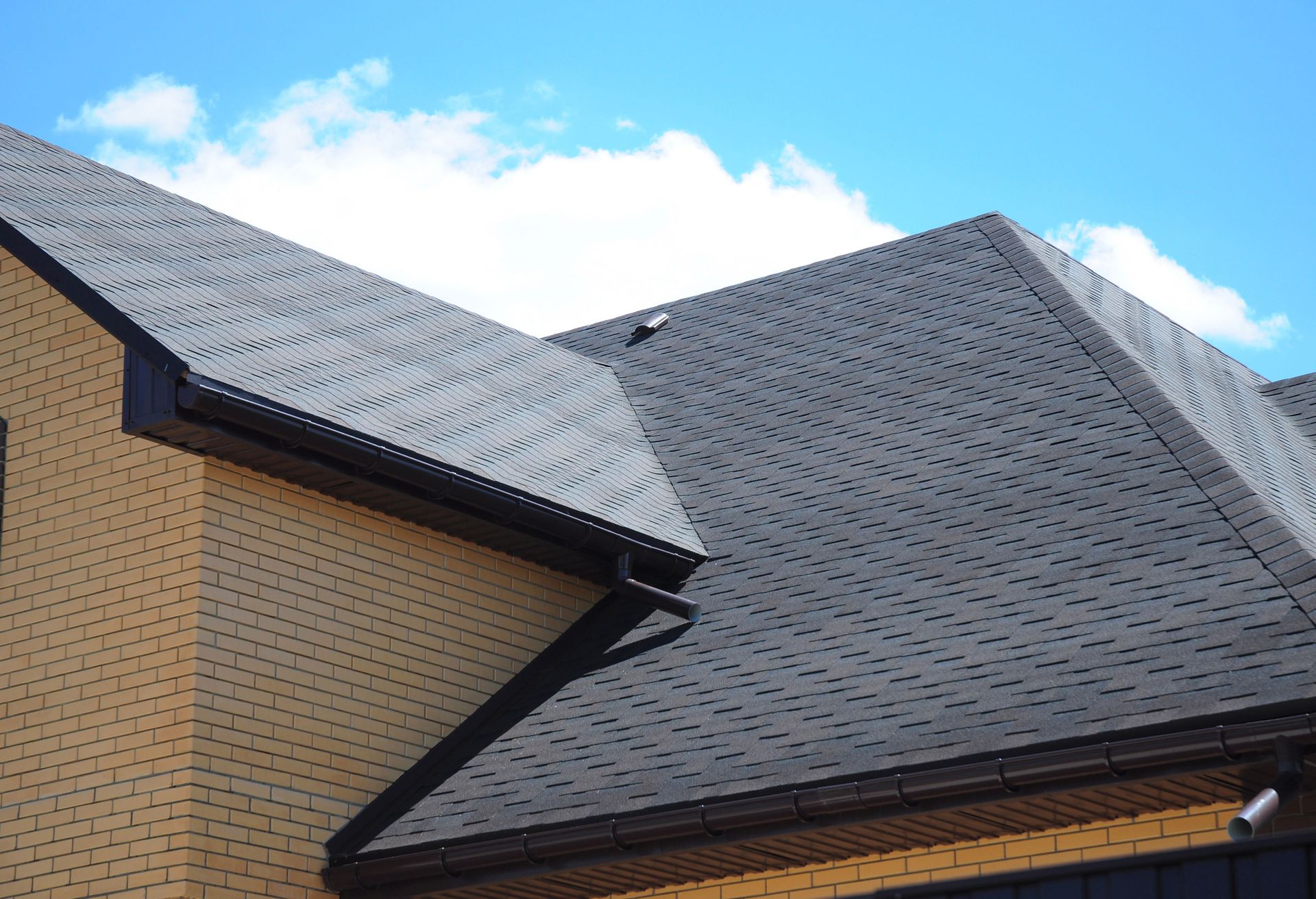
Asphalt shingles are popular for their affordability and relatively long lifespan, but they do wear out over time. Granule loss, curling, and cracking are typical signs of asphalt shingle aging, each compromising the roof's overall barrier against water. According to Service Titan, the global roofing industry market size is anticipated to reach $280 billion by 2029, emphasizing the importance of durable material choice. Regular inspections and timely replacements of worn-out shingles are critical. Advanced materials and technology are progressively extending shingle lifespans, but proactive maintenance remains indispensable.
Metal roofs are durable but susceptible to corrosion, especially in aggressive climates. Environmental factors such as salt air or acid rain can speed up rust formation on unprotected metal surfaces. Advancements in coating technology have improved metal roof lifespan, acting as strong corrosion barriers. Routine cleaning and coat reapplication help prevent rust-related weakening. Addressing potential sources of corrosion extends the long-term aesthetic and functional value of metal roofing.
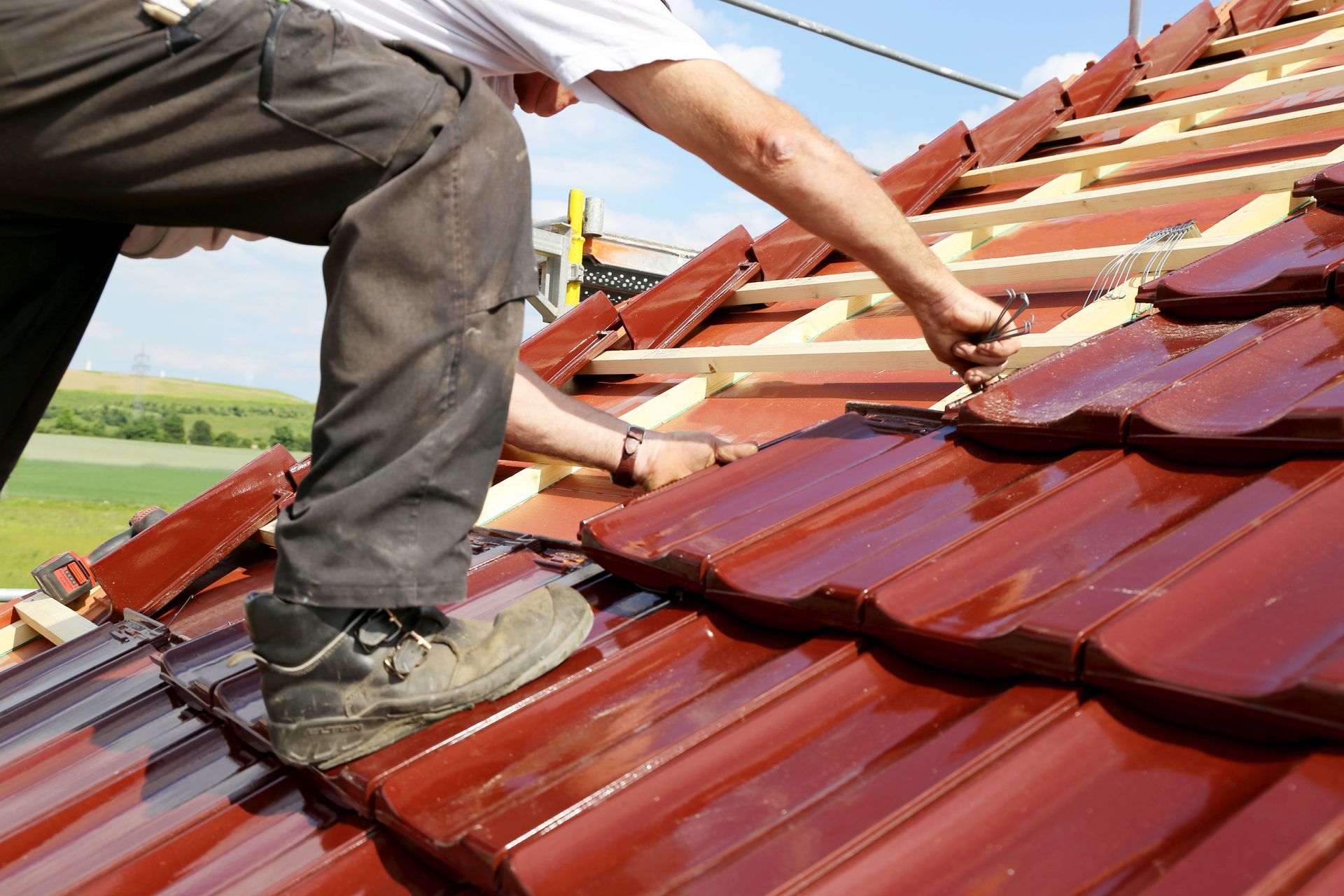
Tiles are rigorous and long-lasting roofing materials but can crack or chip under certain stresses. Weather effects and foot traffic during maintenance are common causes of tile damage. Immediate repair or replacement of damaged tiles is crucial to maintaining the roof's waterproofing integrity. Investing in high-quality, impact-resistant tile materials can help mitigate cracking risks. Maintenance protocols should include professional advice to prevent accident-related tile breakage.
Pitched roofs are reliable and versatile, but they are not exempt from problems. This guide highlights the major challenges faced by pitched roof owners and suggests corrective actions. By staying informed and conducting routine inspections, homeowners can prevent many of these issues from becoming serious. In cases of significant damage or concern, consulting with a local roofing contractor is recommended to ensure the safety and effectiveness of your roofing system. Awareness and timely interventions are the keys to maximizing the potential and longevity of your pitched roof investment. For a
local roofing contractor you can rely on, contact Twin Hammers Roofing & Contracting today.
Share On: